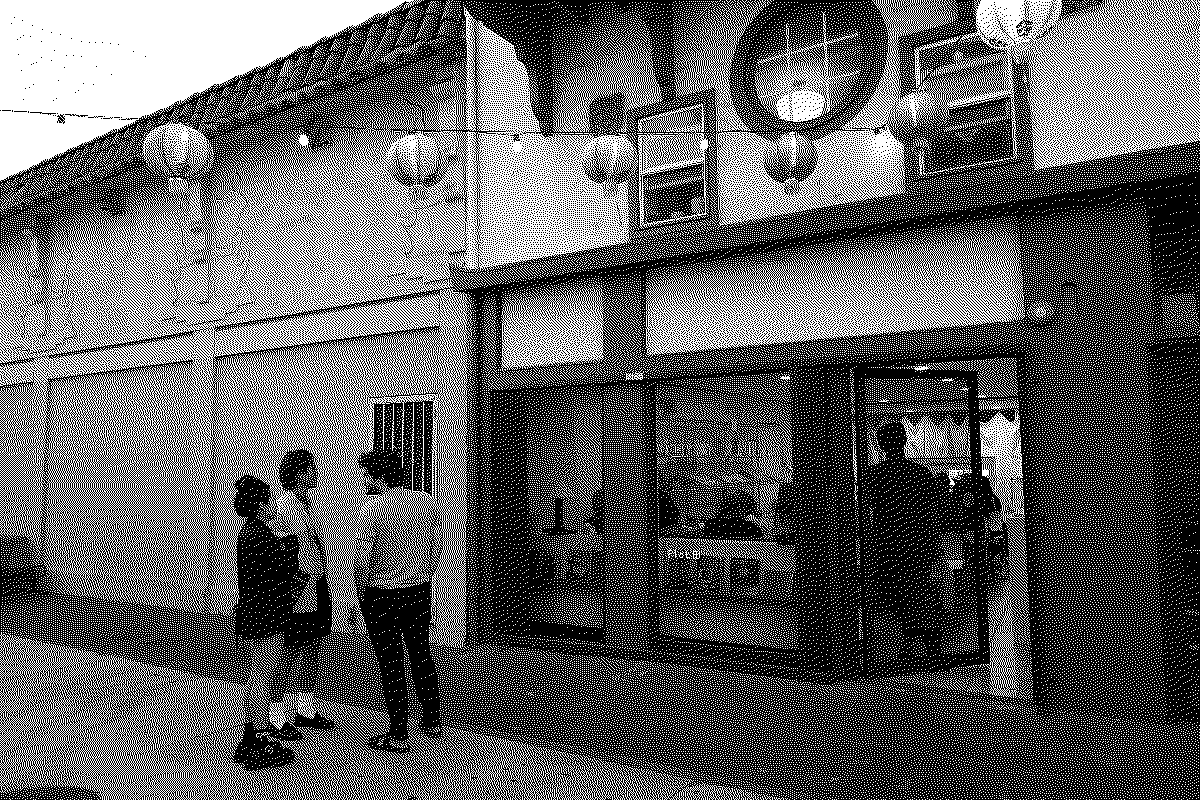
What is Plot?
Plot is a living room for creative inquiry in Los Angeles's historic Chinatown Central Plaza. It is a place to think, make, and be with others. It is also an operating system for a new type of cultural institution, a translocal network, a community flywheel, a lifestyle brand, a lightning rod, an online forum, a pedagogical scheme, and a durational social game, and it is independently-hosted and built for purpose.
I love how you describe Plot through all these different identities and functions. It almost makes me think of the Lernaean Hydra, with its many heads, or different entry points, all connected to the same body. There's something refreshing about a space that invites participation in so many ways. What does this multiplicity look like in practice? Could you share some examples of the gatherings, events, and other forms of participation that take place at Plot?
Past programs include talks on fugitive uses of scent, artificial grottos and convivial public housing; workshops on building chairs, listening to shortwave signals, and assembling jewelry from found objects; a playtest of a video game about quantum mechanics and love, a mail art group show, a participatory performance in an oversized oven mitt, weekly coworking, monthly markets, two night cafes, frequent launch parties for books and albums, the occasional advice circle, neighborly drop-in’s, a new Go Nights! series, and other miscellaneous happenings. I am interested in offering more ways to engage remotely or asynchronously through the community webapp.
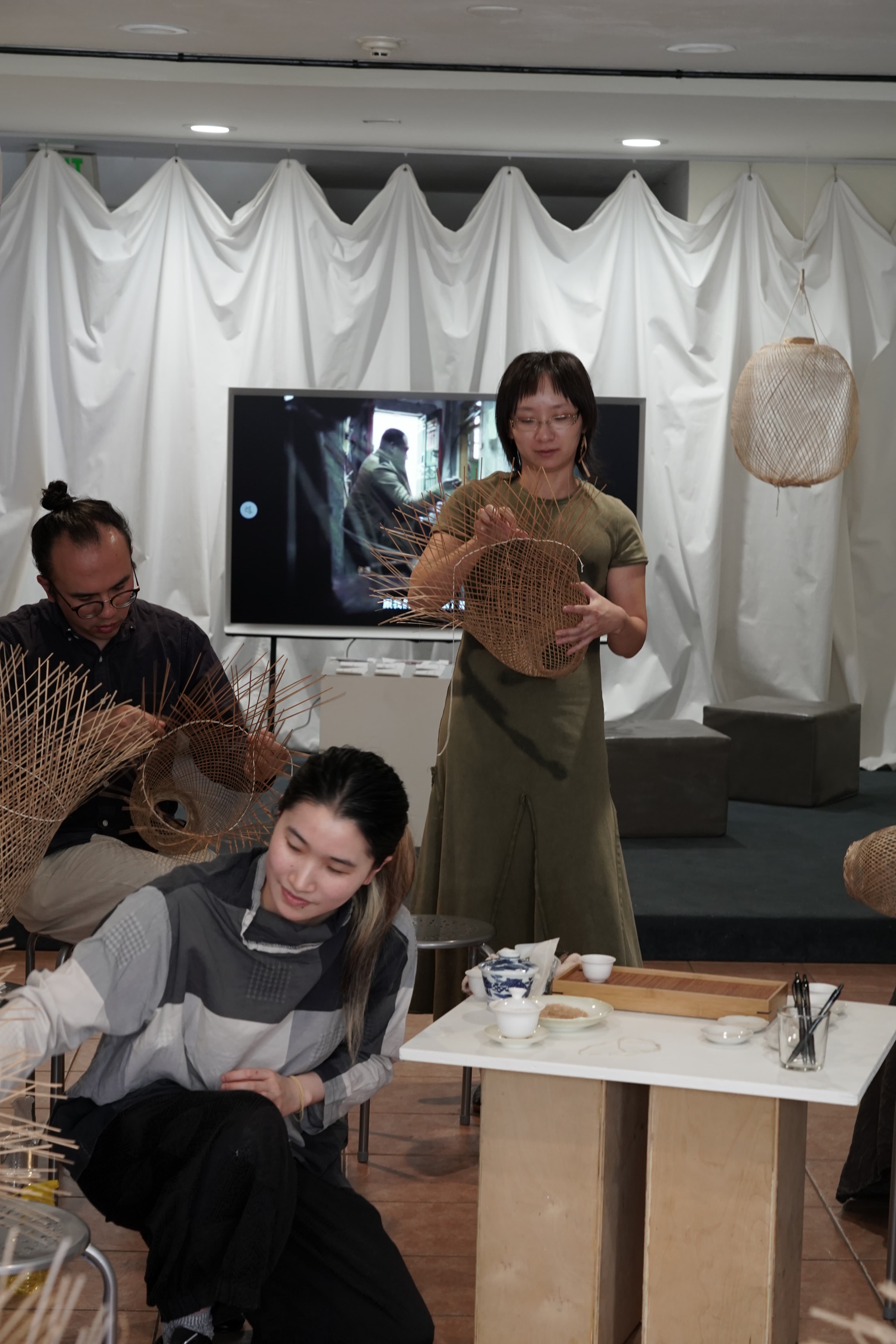
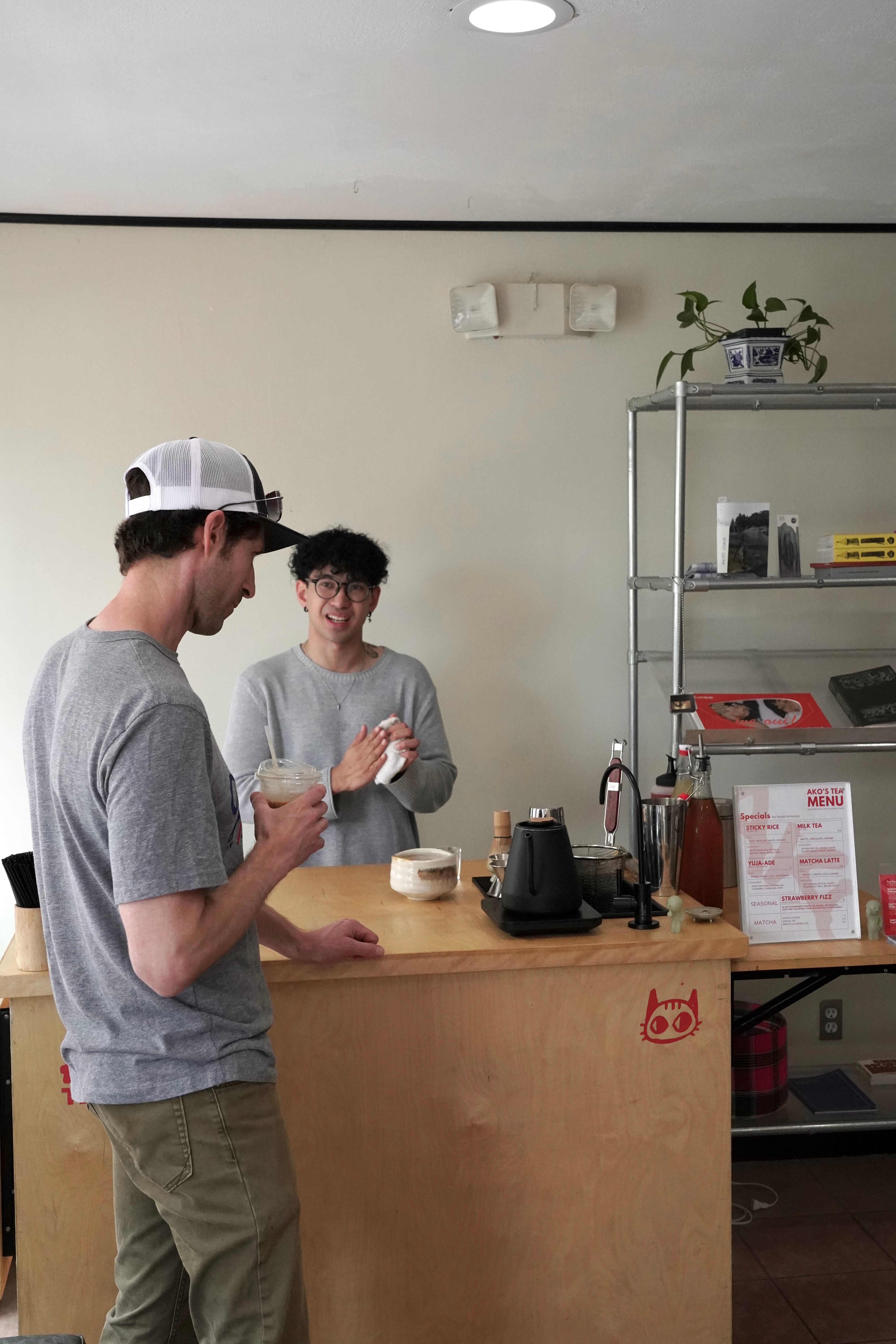
With so many different ways of coming together, I'm curious about the initial impulse behind Plot. Was there something you felt was missing from the cultural landscape of Los Angeles, or perhaps from your own artistic practice, that made you want to create it?
As a creative practitioner and a person navigating the transience of a contemporary world, I needed a place to gather with others. Specifically, I wanted to inhabit something that was rigorous, curious, surprising, and alive. As a child of Los Angeles yet a frequent critic of how mundane and isolating it can be (though as a city of paradox it can be just as intense and intimate), I suppose I took it on as a personal challenge to install something that I felt was vital and to see if it takes. I was actually quite burnt out at the time from investigating networked infrastructure from all angles and struggling to find a point of agency. In building Plot, I had thought I was taking a drastic departure from my practice at the time, though now I understand Plot as no doubt an infrastructural project, both social and technical.
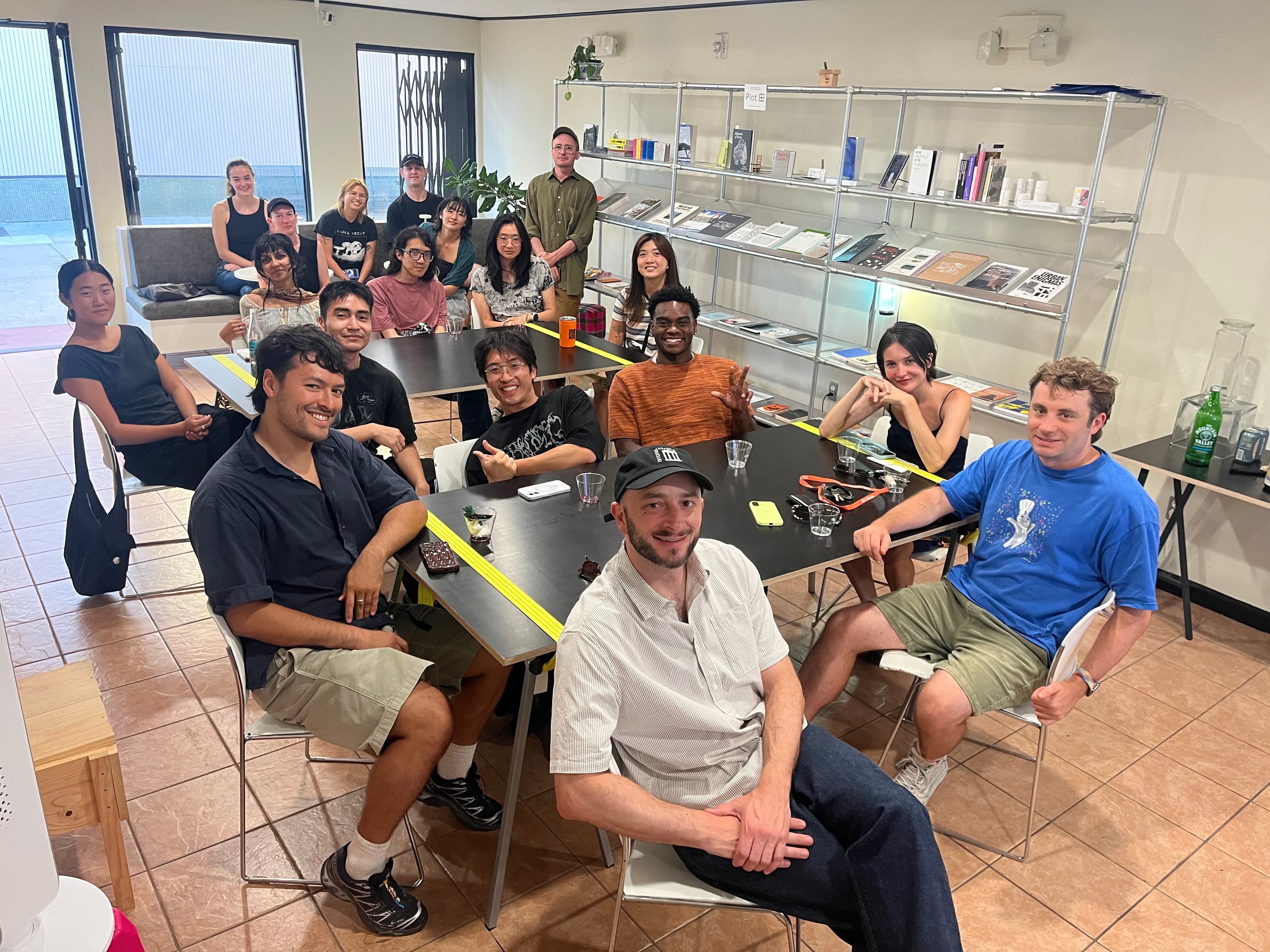
You describe Plot as something you wanted to bring into being in Los Angeles, a city that can feel both isolating and intensely intimate. You chose to situate it in Chinatown's historic Central Plaza. For someone who has never been there, could you describe the neighborhood and the atmosphere surrounding Plot? How has being part of this particular place shaped the project, and how do you hope Plot might contribute to its surroundings?
I would say I’m an unreliable narrator of Chinatown, given that my family, like many other first generation immigrants, had arrived in other later-established Chinese enclaves of Los Angeles. For what it’s worth, my experience of the neighborhood is simultaneously familiar and challenging. I feel a sense of home amidst the Chinese-speaking shopkeepers and neighbors, as well as among the myriad of creative spaces and artist studios within walking distance, and I really love that Plot is nestled in a lantern-lit alley in the historic plaza with all its kitschy charm. But it’s evident that there is a lack of investment in caring for the neighborhood, and I think a lot of small businesses and organizations feel like we’re on our own. I generally wish for more support and have been scheming with others on how to cultivate that.
You mentioned that although Plot initially felt like a departure from your previous work, you've come to understand it as another kind of infrastructural project, both social and technical. Now that Plot has been running for a year and a half, how is it to be working with technology and your artistic practice more locally embedded?
I actually don’t think of myself as a technologist but rather a social practice artist or cultural organizer in the post-digital era. I happen to weave in digital logics where it might support or remediate how we interface as people, just as I may collaborate with a furniture designer or frame an event to encourage a certain kind of interaction.
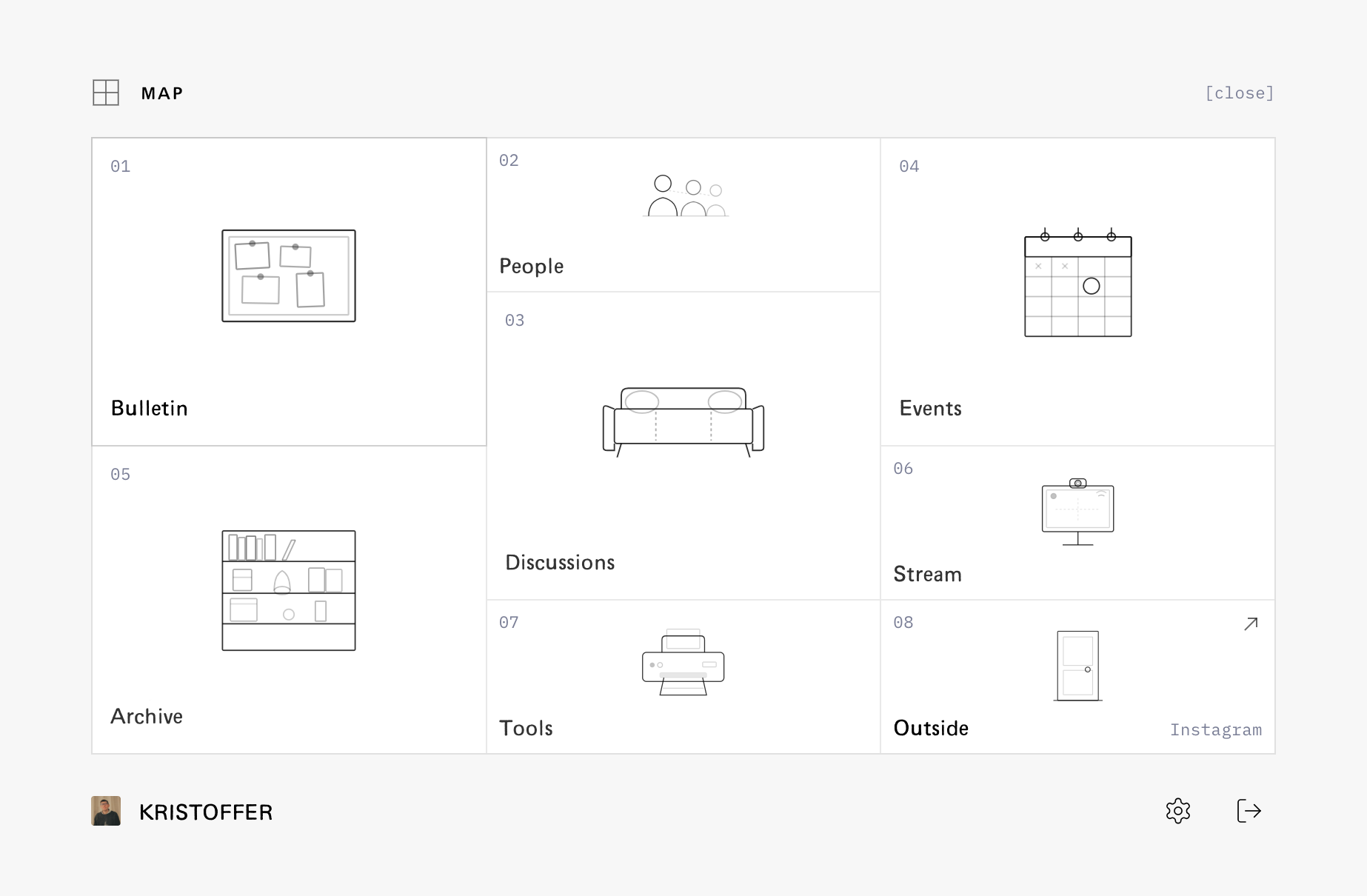
Around six months ago you built an online ecosystem for Plot. It’s a very pretty space where the navigation bar is a map. With its discussion threads, directories, and bulletin boards, it reminds me of the more exploratory and lively websites of the early internet, before social media platforms became so dominant. What motivated you to create this digital extension of Plot, and why was it important to build something of your own rather than rely on existing platforms?
Anyone who runs an organization today will find themselves mired in the dizzying mix of proprietary platforms and tools necessary to publish events, reach people, manage ticketing, archive documentation, and track finances, not to mention if one would like to facilitate any further interaction within the community. As both administrator and participant, I desired a digital interface that feels as intentional as the in-person space, and one that would be shaped by our specific needs and interests as they arise. Incidentally, it is more possible than ever to create malleable software, so I hope our intranet can be a prototype for many others to come.
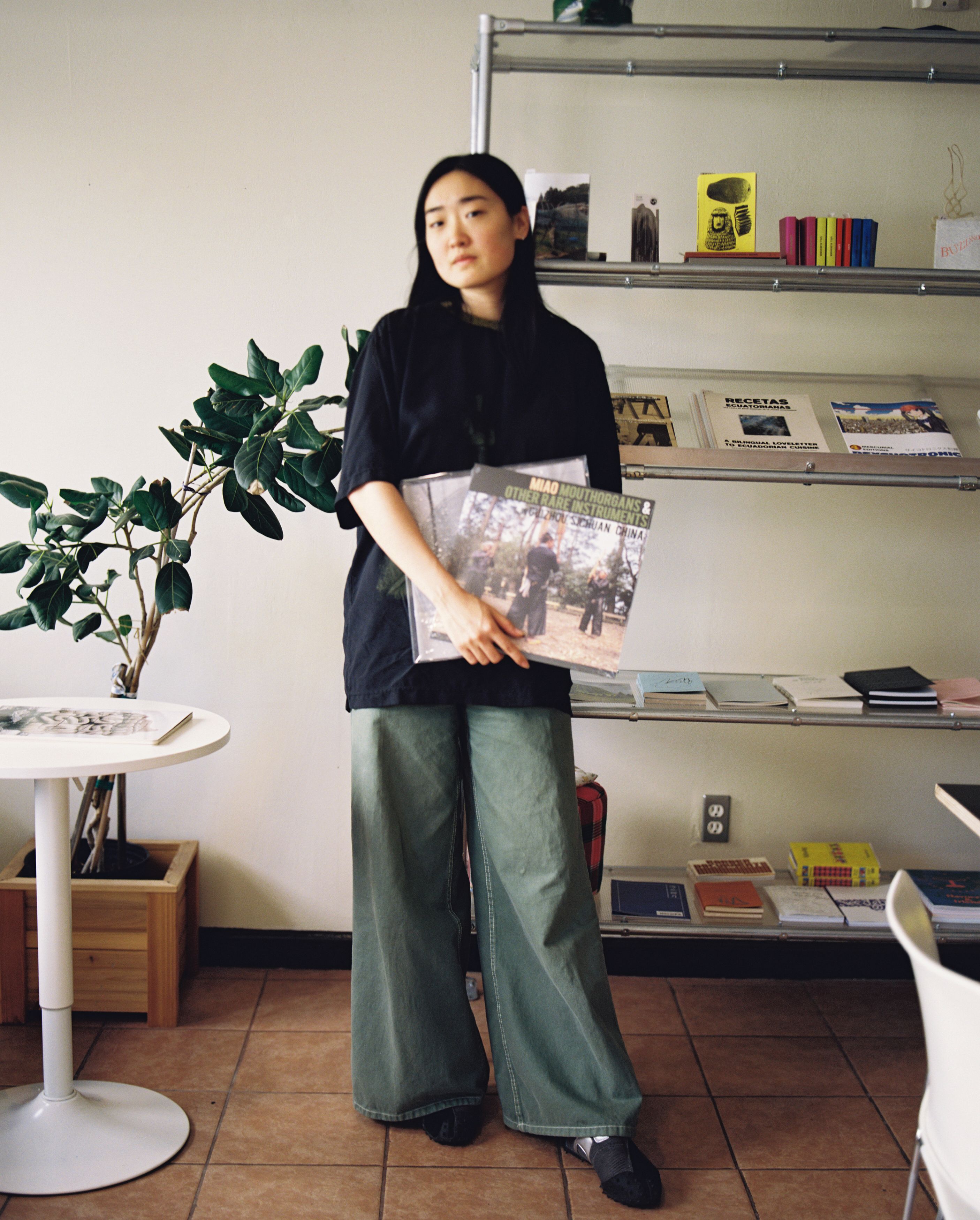
Plot seems to draw from many different traditions and ways of gathering, from artist-run spaces and informal learning environments to online communities and mutual aid networks. I'm curious about the people, places, and experiences that have shaped your thinking. Were there particular models of collective life or cultural organizing that inspired you while imagining Plot?
I didn't know what Plot would be or how it would feel like when I started it, but I have experienced many instances, containers, protocols and models for what holds a community over the years, and I see in hindsight how they have all played a part in shaping the potential of Plot. References include the principled schedule of the sangha at Deer Park Monastery, to the online-offline fluidity and intellectual rigor of Trust in Berlin, to the vernacular ingenuity of the Janastu village in South India, to the unwavering reciprocity of immigrant networks that I watched my parents weave upon arrival, to ruangrupa's documenta fifteen, NAVEL, Machine Project, SOFTER, Circles, Birdcall, Post Office, HUP, tiat, AMRO, Robida, The Hologram, Casino for Social Medicine, Offline, Varia, [[rect*]]repair, Index Space, Stella Matutina, MSCHF, Deviantart, hackerspaces, time banks, libraries, salons, ecovillages and network states, Chinatowns and Chinese cities, and even my professional training in brand and business. I am grateful to all the shapes that we make with each other and feel that endless possibilities remain to be explored, and this tides me over while witnessing the erosion of today's most obvious institutions.